A Safer City for Birds Starts with “Lights Out”
Bird-Friendly Buffalo is a citywide initiative aimed at protecting birds where they live, migrate, and thrive — right here in Western New York. At its heart, this effort connects community-wide conservation actions with science-based practices to make our region a national leader in avian protection.
One of the most immediate and impactful ways we can all help? Turn out the lights. That’s where Lights Out Buffalo comes in.
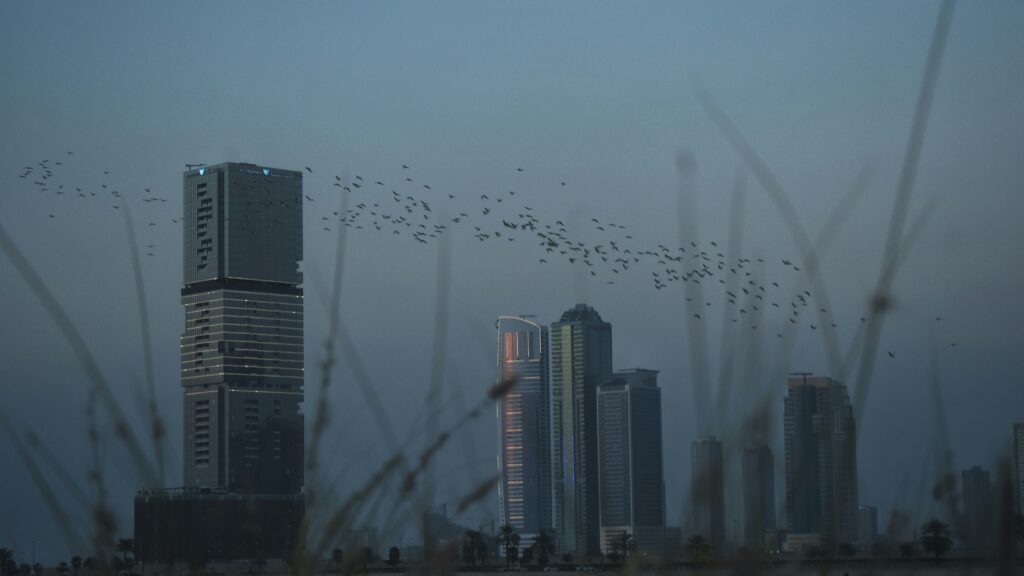
Photo by Ahmed Zaki via Unsplash

The State of Migration
During peak migration seasons (late September or early October), as many as 400 million birds can fly over the United States in one night alone.
Throughout spring and fall migration periods (August 15–November 15 and April 15–May 31), birds use the night sky to navigate as they make their journeys.
However, artificial lights left on at night—particularly from skyscrapers, office buildings, and brightly lit homes—confuse and disorient birds, which causes them to collide into buildings and windows.
While this does result in some bird fatalities, it is more often the case that birds waste precious energy flying around and calling birds in confusion—making them more vulnerable to other threats.
The Solution: Go Lights Out for Birds
Turning off bright lights at night—even for small periods of time—can help significantly reduces bird population density in an area within minutes.
This was seen in the case of the annual 9/11 memorial in New York City, during which hundreds of birds were caught in the light beams every year but, when lights were turned off for even 20 or 30 minutes at a time, population density cleared substantially.
As with many bird-friendly improvements, simple actions can make all the difference.
To contribute to Lights Out, consider the following:
- Turn off unnecessary lights after 11 p.m., especially from April 15–May 31 and August 15–November 15.
- Use motion sensors or dimmers
- Pull down shades & window coverings
- Minimize flood lights
- Swap bright bulbs for warmer ones, which are less likely to trigger behavioral responses in birds
How Bird-Friendly Buffalo Helps
Bird-Friendly Buffalo creates a powerful, dual-pronged strategy:
1. We reduce threats to birds in flight by encouraging building owners and residents to dim or turn off lights between 11 p.m. and dawn, especially April 15–May 31 and August 15–November 15.
2. We create bird-safe habitats on the ground by advocating for native plantings, bird-safe glass, window treatments, community science, and public education.
The science is clear: Reducing light pollution saves lives. And it’s a simple, actionable change that every building, business, and household in Buffalo can take part in. By uniting these two efforts under the Bird-Friendly Buffalo banner, we are building a brighter future—ironically by dimming our lights—for the millions of feathered travelers that depend on safe skies and healthy habitat.
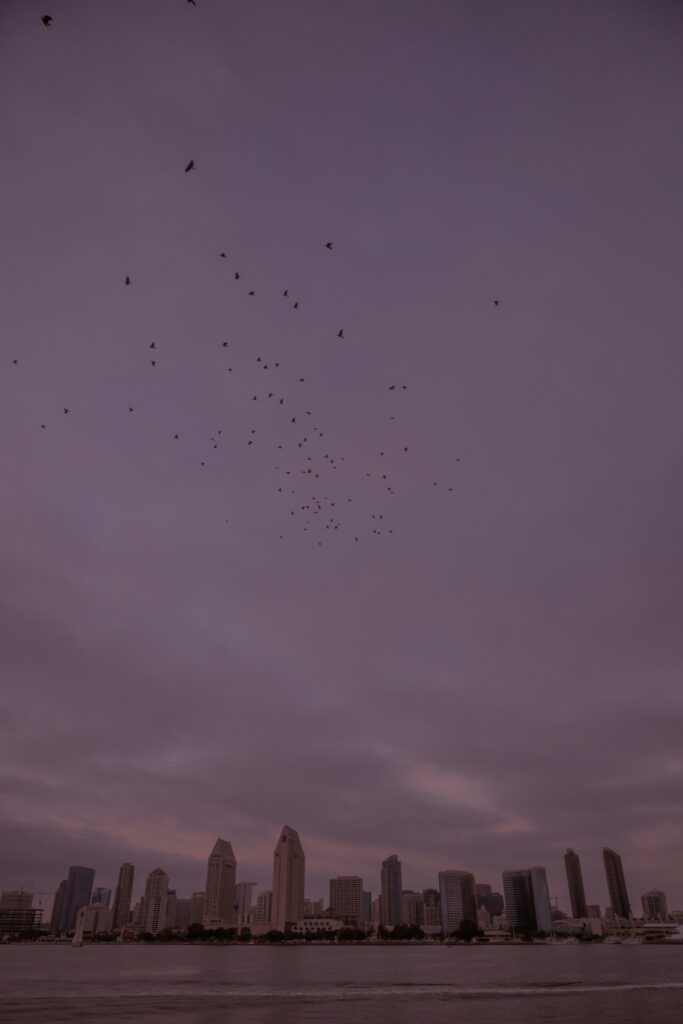
Photo by claudia lam via Unsplash
Interested in making your home or business more bird-friendly?
Schedule a program with one of our experts!
Together, we’ll explore tangible ways to make your home, business, or community safer for birds.
Related Reading:
Explore these other helpful resources on going Lights Out and more.