Rodenticide & Its Impact on Birds
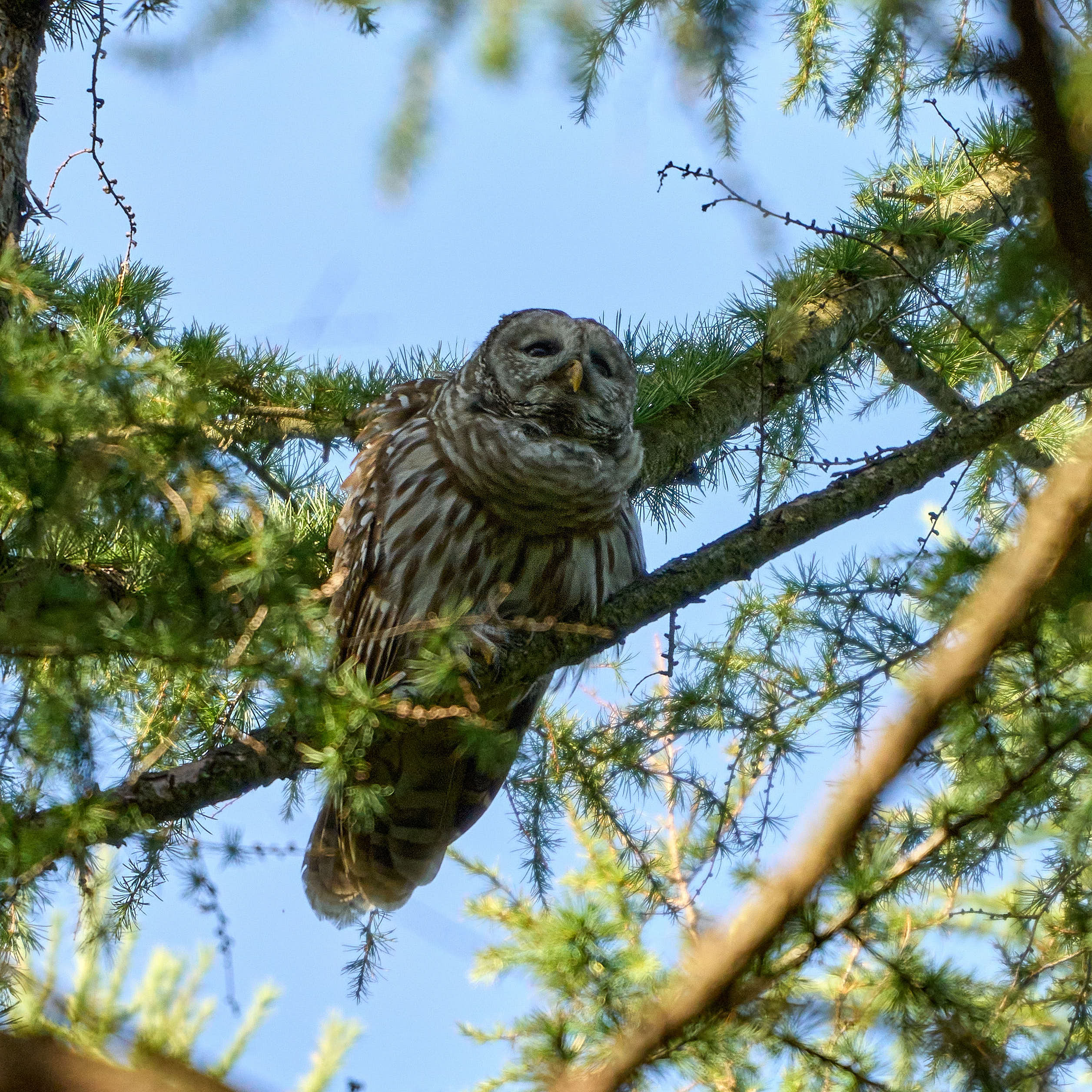
Rodenticide (rat poison) impacts more than just rats; it’s a death sentence for owls, hawks, eagles, and other birds of prey.
Raptors, for example, often eat poisoned rats or bring them back to their nests to feed their young.
Additionally, rats can often return to bait boxes and eat poison for several days before they die—creating an even more dangerous dose of poison for the hawk or owl.
When raptors eat poisoned prey, they unknowingly ingest fatal toxins. Nestlings, too, suffer the deadly consequences.
In fact, according to a 2020 study from Tufts Wildlife Clinic at Cummings School of Veterinary Medicine,
100% of red-tail hawks admitted to the clinic tested positive for exposure to rodenticides.
These risks are especially prevalent during nesting season, which begins in January for Great-Horned Owls and April for Red-Tailed Hawks. Once their chicks hatch, parents work around the clock to bring in food and often travel farther when more is needed—increasing their chances of ingesting rodenticide.
Being apex predators, birds of prey are vital to their ecosystems, and play a large role in controlling rodents on their own. Without them, humans would be faced with many more unwanted pests.
Alternatives to Rodenticide for a Healthier Bird Population
Now more than ever, it is vital to mitigate rodenticide use to protect birds of prey and foster a more bird-friendly city.
Consider these alternatives to rodenticide:
- Use snap traps instead of poison.
- Seal entry points in your home.
- Keep food stored safely to avoid attracting rodents.

Photo by Ahmed Zaki via Unsplash
Minimizing poisons in the food chain helps to not only protect predators, but keep the whole ecosystem in balance.
Interested in making your home or business more bird-friendly?
Schedule a program with one of our experts!
Together, we’ll explore tangible ways to make your home, business, or community safer for birds.
Related Reading:
Explore these other helpful resources on rodenticide’s impacts on birds and more.
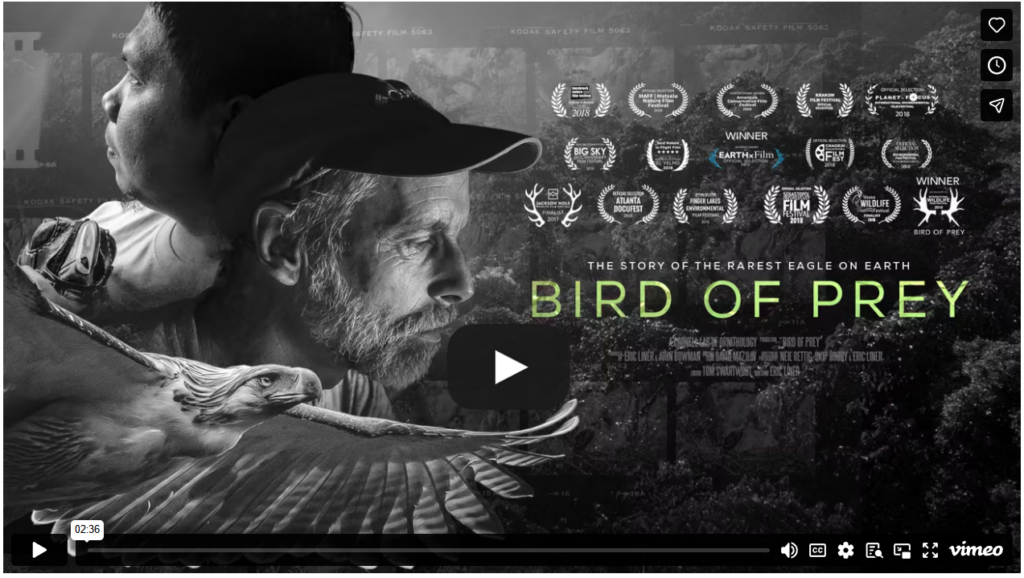
Bird of Prey (2018)
An award-winning, conservation-focused documentary about raptors, by Neil Rettig
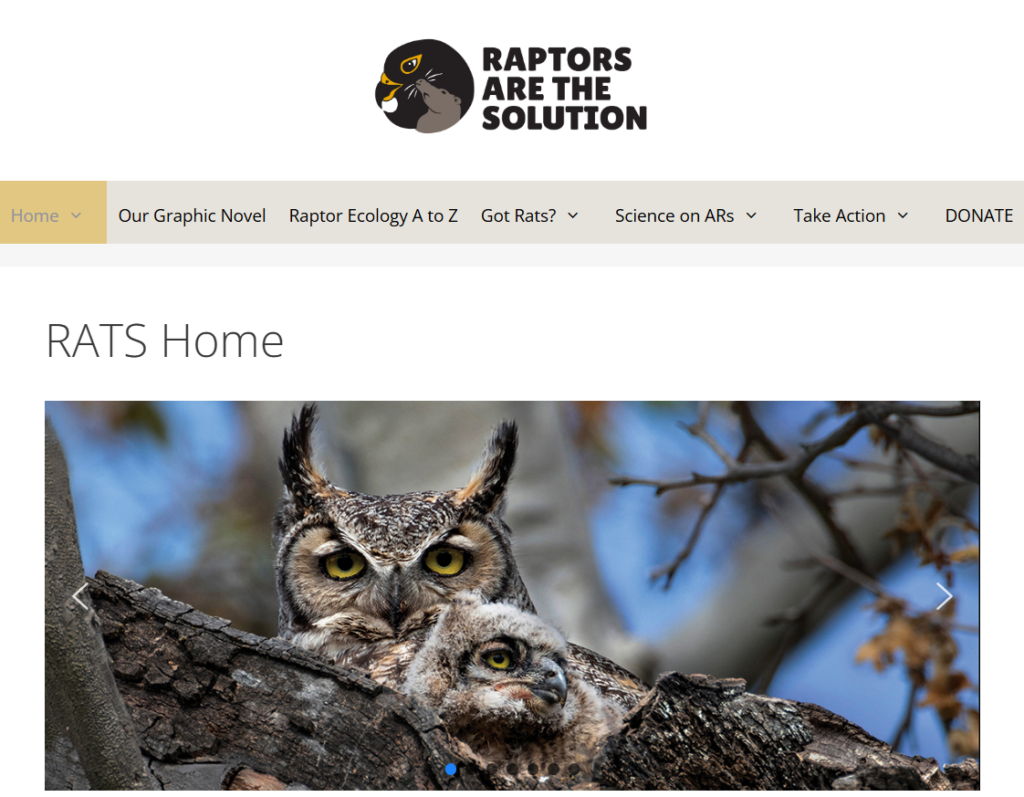
Raptors are the Solution (RATS)
Dedicated to educating the public about the dangers of toxic rodenticide use on the food web
Buffalo Audubon
Devoted to connecting with and protecting the natural world through bird-focused activities, advocacy, and habitat restoration